
Home -> Law Blog Directory -> Intellectual Property Law Blogs -> Biolaw Blog
(866) 635-2689 for Personal Injury or (866) 635-9402 for Criminal Defense
Find a Local Lawyer
Divorce (866) 635-6190
Personal Injury (866) 635-2689
Criminal Defense (866) 635-9402

Intellectual Property Law
: Biolaw BlogBiodiversity Law In Paradise - Day One
By Jim Chen et al.
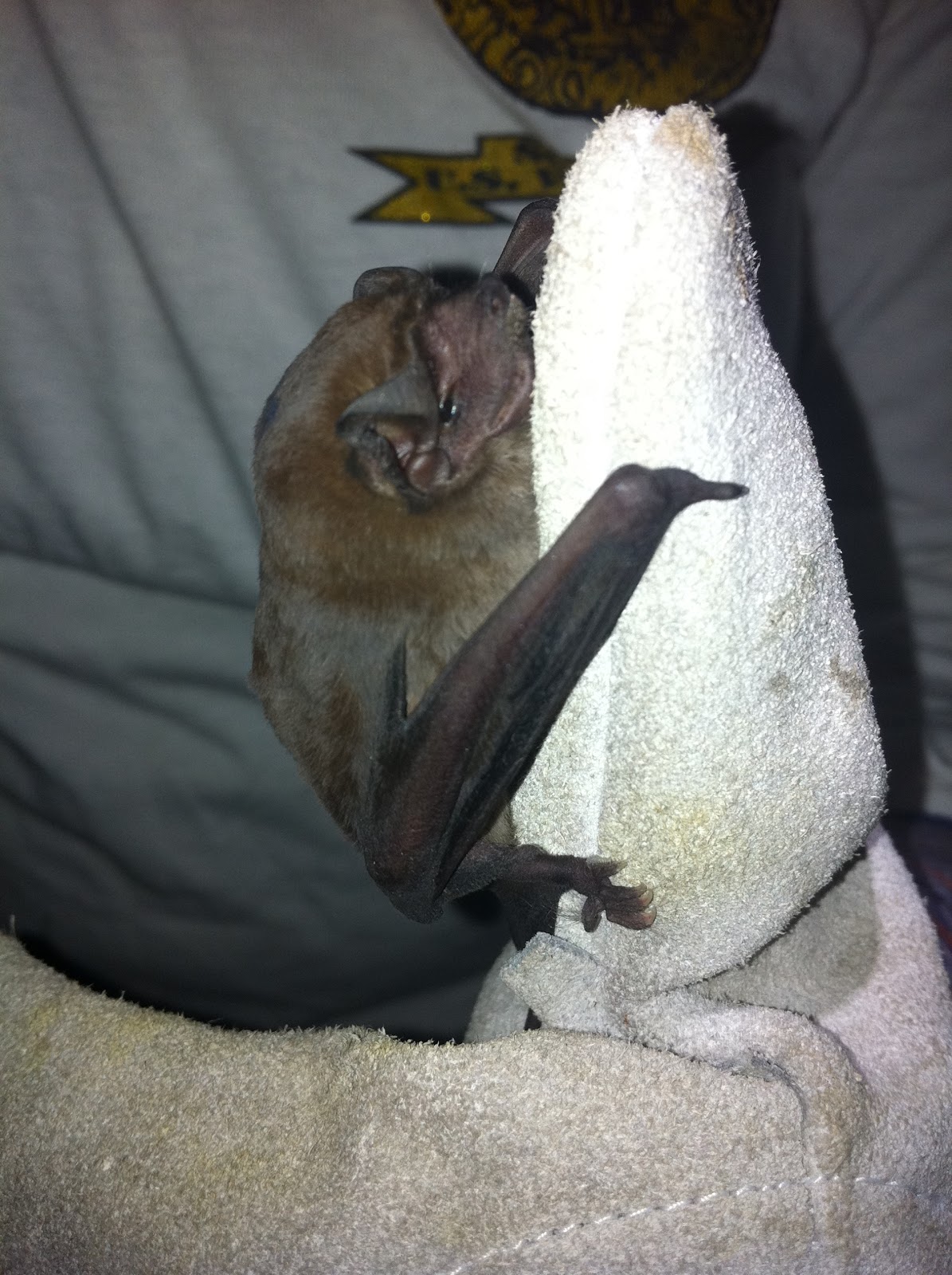
Professor Torrance informed us that we would partake in a traditional Saint Thomas Friday night activity; we went bat catching. We trekked along the beautiful shoreline of Magen's Bay before having the honor of meeting Saint Thomas' foremost advocate for terrestrial ecosystem preservation, Dr. Renata Platenberg. She and two assistants, her devoted husband and a University of the Virgin Islands graduate student, mount mistnets in the forest once a month at dusk. Various specimens of the island's five native species of bats occasionally find themselves tangled in the nets, perhaps a bit confused that their sonar failed them. Promptly, the researchers delicately remove the tiny mammals (unfortunately, the process is delicate only for the bats-- a bat bite and some mild cursing was in progress when we arrived) and place them in pillow cases for weighing, measuring, and then safe release. While the idea of petting a bat was both exciting and off-putting, the consensus among the class was that explaining a bat bite scar would be rather impressive, thus worth the risk. We introduced ourselves to the little lady in the photo, who was soft as velvet and surprisingly cute. Renata and her crew then examined the bats, recorded data, and returned them to their homes among the palm tree silhouettes. The promise of Friday night island excitement panned out beautifully as we found a friend in Molossus molossus. And we got a taste of the first step in determining whether a species might be threatened: someone has to venture into the trenches, observe species first hand, and establish the scientific baseline that triggers the protective provisions of the Endangered Species Act.Stay tuned for more daily dispatches.
More biolaw at LEXVIVO.

Full post as published by Biolaw Blog on January 17, 2011 (boomark / email).

#1 Online Legal Resource

On 08-25 at 15:46PM
Acute perpendicular parking #NYPD #NYFD
On 08-18 at 22:18PM
Parallel parking gone bad. Too much gas UES NYC
On 08-18 at 21:41PM
UES NYC
On 08-18 at 21:25PM
Twitter suspends journalist critical of broadcast partner's coverage on dubious grounds @guyadams #nbcfail #twitterfail
On 07-30 at 17:57PM
Model example of 1st Amendment suppression by the People of New York City's Michael Bloomberg #OWS #NYPD
On 07-12 at 21:07PM
AG Holder lackadaisical on Operation in our Sites domain name seizures & RIAA lobbied free speech suppression @dajaz1
On 06-08 at 22:44PM
Why is the Catholic Church going to court over Obama contraception policy? @NewYorker commentary
On 05-31 at 10:08AM
Monks sue Louisiana for right to sell caskets made from forrest destroyed by Katrina
On 05-31 at 07:47AM
Are the abortion ultrasound laws headed for the Supreme Court?
On 05-15 at 21:52PM





New L&C Law Scholarship: Waterbirds, the 2010 Biodiversity Target, and Beyond
Former Law Dean is Headed to Paradise
Chatroulette Is 'Predator's Paradise,' Experts Say
Paradise California Police Finally Investigated By Feds For Excessive Force
Panellists See Critical Moment For International Policy On Biodiversity And Trade
Study Touts Economic Benefits Of Biodiversity





 |
|
Contact Us | About Us | Celebrity Law Blog |
Our Partners | Disclaimer
| Law Blog Directory
| Law Jobs
| Law Tweets
| Oil Spill Video
All original material © 1999-2011 by USLaw.com. All other material, including Blog Directory feed content, are © by their respective copyright holders. |