
Home -> Law Blog Directory -> Academic Blogs -> Essentially Contested America
(866) 635-2689 for Personal Injury or (866) 635-9402 for Criminal Defense
Find a Local Lawyer
Divorce (866) 635-6190
Personal Injury (866) 635-2689
Criminal Defense (866) 635-9402

Academic
: Essentially Contested AmericaReferenda & Democracy
By Robert Justin Lipkin
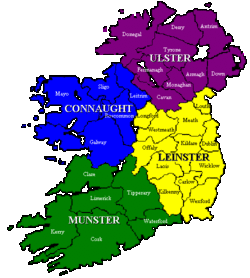 have been one-shot affairs --
the people going to the polls to say Yes or No without taking
preliminary steps to deliberate together on the choices facing the
nation. . . . This populist method is unworthy of a modern democracy.
If an issue is important enough to warrant decision by the people as a
whole, it is important enough to require a more deliberate approach to
decision-making. If the Irish return to the polls next year to rethink
their vote, they should be encouraged to engage in a more deliberative
exercise. Two weeks before the next referendum, Ireland should hold a
special national day of deliberation at which ordinary citizens discuss
the key issues at community centres throughout the country. . . . Suppose,
for example, that deliberation day begins with a familiar sort of
televised debate between the leading spokesman for the Yes and No
sides. After the television show, local citizens take charge as they
engage in the main issues in small discussion groups of 15 and larger
plenary assemblies. The small groups begin where the televised debate
leaves off. Each group spends an hour defining questions that the
national spokesmen left unanswered. Everybody then proceeds to a
plenary assembly to hear their questions answered by local
representatives of the Yes and No sides." Continue reading here.
Should democracy be understood as a system of government based on populist, direct, and majoritarian self-rule? Or instead should it be understood as deliberative democracy or republican democracy? Should self-government consist of counting heads or should it instead consist of counting thoughtful heads?
Full post as published by Essentially Contested America on June 26, 2008 (boomark / email).

#1 Online Legal Resource

On 08-25 at 15:46PM
Acute perpendicular parking #NYPD #NYFD
On 08-18 at 22:18PM
Parallel parking gone bad. Too much gas UES NYC
On 08-18 at 21:41PM
UES NYC
On 08-18 at 21:25PM
Twitter suspends journalist critical of broadcast partner's coverage on dubious grounds @guyadams #nbcfail #twitterfail
On 07-30 at 17:57PM
Model example of 1st Amendment suppression by the People of New York City's Michael Bloomberg #OWS #NYPD
On 07-12 at 21:07PM
AG Holder lackadaisical on Operation in our Sites domain name seizures & RIAA lobbied free speech suppression @dajaz1
On 06-08 at 22:44PM
Why is the Catholic Church going to court over Obama contraception policy? @NewYorker commentary
On 05-31 at 10:08AM
Monks sue Louisiana for right to sell caskets made from forrest destroyed by Katrina
On 05-31 at 07:47AM
Are the abortion ultrasound laws headed for the Supreme Court?
On 05-15 at 21:52PM





Bolivia voters in two more states approve autonomy measures in referenda
Fourth of July Reading: Is It Time to Reboot Democracy
Ruthann Robson on Sexual Democracy
Book Announcement: Democracy Incorporated by Wolin





 |
|
Contact Us | About Us | Celebrity Law Blog |
Our Partners | Disclaimer
| Law Blog Directory
| Law Jobs
| Law Tweets
| Oil Spill Video
All original material © 1999-2011 by USLaw.com. All other material, including Blog Directory feed content, are © by their respective copyright holders. |