
Home -> Law Blog Directory -> Politics Blogs -> Open Congress
(866) 635-2689 for Personal Injury or (866) 635-9402 for Criminal Defense
Find a Local Lawyer
Divorce (866) 635-6190
Personal Injury (866) 635-2689
Criminal Defense (866) 635-9402

Politics
: Open CongressThe DISCLOSE Act and Blogs
By Sunlight Foundation & Participatory Politics Foundation
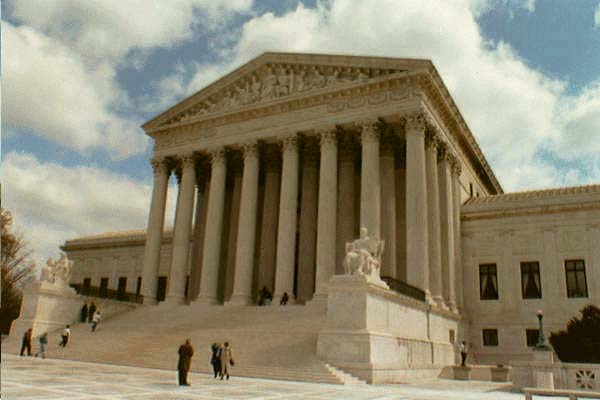
In the wake of the Citizens United Supreme Court decision allowing corporations to spend directly on political ads and in unlimited amounts, Democrats in Congress have proposed a legislative solution — make the corporations paying for ads disclose their identities. It’s call the DISCLOSE Act, or the “Democracy Is Strengthened by Casting Light On Spending in Elections Act,” and it’s been getting hearings in House and Senate committees in preparation for action on the floor.
An interesting issue was raised at one of the hearings recently by Attorney William McGinley. The bill, he warned, could lead to Federal Election Committee gaining new power to regulate political blogs.
Under the bill, the F.E.C. would have the authority to require disclosures regarding the funding of “coordinated communications,” defined in the bill as “a publicly distributed or disseminated communication that refers to a clearly identified candidate for Federal office” and is publicly distributed or disseminated within four months prior to an election. In other words, political ads. And this bill would specifically target those paid for by someone or some entity other than the candidates.
The bill specifically exempts certain forms of media from being considered “coordinated communications” and regulated by it, but blogs aren’t specifically listed. Here’ the bill text of that section:
‘(4) EXCEPTION- The term ‘covered communication' does not include—
‘(A) a communication appearing in a news story, commentary, or editorial distributed through the facilities of any broadcasting station, newspaper, magazine, or other periodical publication, unless such facilities are owned or controlled by any political party, political committee, or candidate;
Ed Morrissey at Hot Air says “the purposeful lack of exemption for bloggers looks ominous,” and he is calling the bill "an attempt by Congress to step around the First Amendment and regulate political speech that threatens incumbents.
Craig Holman at Public Citizen, on the other hand, says the bill “leaves in place the carefully worked out provisions of FEC regulations that exclude blogging and similar internet activity from the definitions of ‘expenditure’ and ‘public communication’ under campaign finance laws. The additional reporting requirements of the DISCLOSE Act do not change the existing exemptions for Internet communications and blogging under federal campaign finance law at all.”
I wonder if blogs don’t qualify for the exemption under “other periodical publication.” Either way, if Congress wants to avoid allegations of attempting to regulate political blogging, they can simply amend the text of the bill and add “internet websites” to the list of exempted media.
Full post as published by Open Congress on May 20, 2010 (boomark / email).

#1 Online Legal Resource

On 08-25 at 15:46PM
Acute perpendicular parking #NYPD #NYFD
On 08-18 at 22:18PM
Parallel parking gone bad. Too much gas UES NYC
On 08-18 at 21:41PM
UES NYC
On 08-18 at 21:25PM
Twitter suspends journalist critical of broadcast partner's coverage on dubious grounds @guyadams #nbcfail #twitterfail
On 07-30 at 17:57PM
Model example of 1st Amendment suppression by the People of New York City's Michael Bloomberg #OWS #NYPD
On 07-12 at 21:07PM
AG Holder lackadaisical on Operation in our Sites domain name seizures & RIAA lobbied free speech suppression @dajaz1
On 06-08 at 22:44PM
Why is the Catholic Church going to court over Obama contraception policy? @NewYorker commentary
On 05-31 at 10:08AM
Monks sue Louisiana for right to sell caskets made from forrest destroyed by Katrina
On 05-31 at 07:47AM
Are the abortion ultrasound laws headed for the Supreme Court?
On 05-15 at 21:52PM





Patently-O Bits and Bytes No. 21
Iowa: NOM may need to disclose donors, state warns
Fundraising Off the DISCLOSE Act: Enough Disclosure
Would the DISCLOSE Act Regulate Political Blogging as an Expenditure
The trustee's duty to disclose under Texas law
Still No Duty to Disclose Merger Negotiations





 |
|
Contact Us | About Us | Celebrity Law Blog |
Our Partners | Disclaimer
| Law Blog Directory
| Law Jobs
| Law Tweets
| Oil Spill Video
All original material © 1999-2011 by USLaw.com. All other material, including Blog Directory feed content, are © by their respective copyright holders. |